How to start strength training without getting hurt
Most gym injuries don't come from heavy weight. They come from no plan, no eyes on your form, and too much too soon. Here's a calmer way in.
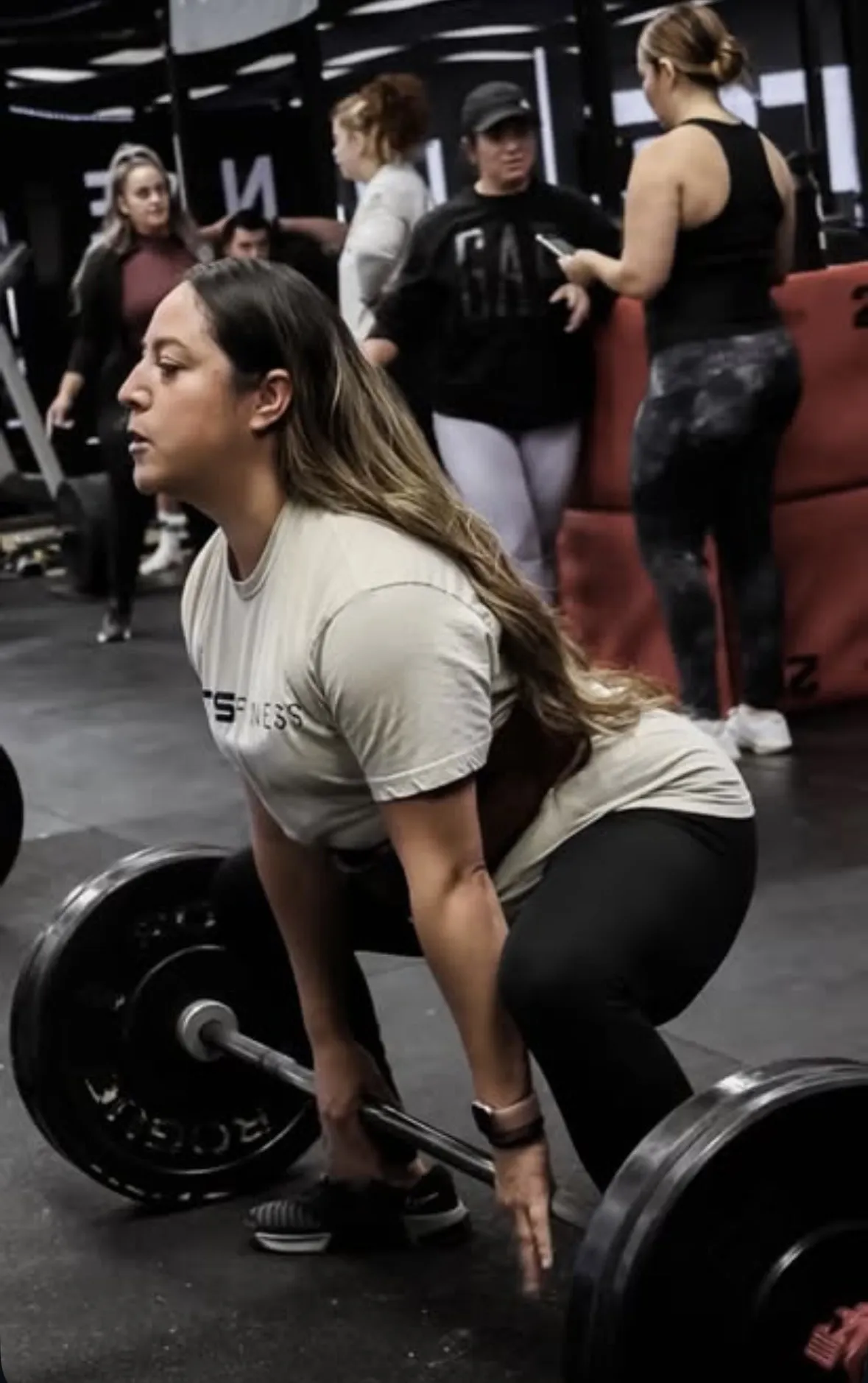
People often arrive at RTS with the same story: they tried a regular gym, copied what someone else was doing, felt a twinge, and decided lifting wasn't for them. The problem usually wasn't the barbell. It was the absence of a plan and the absence of anyone watching.
Getting stronger is not complicated, but it is a skill. Here is how to start without turning your first month into a recovery month.
Start with the movements, not the numbers
A new lifter does not need a max. They need a squat, a hinge, a push, a pull and a way to carry something without falling apart. The first weeks are about learning positions you can repeat.
Pick a handful of movements and practise them with a load that lets you think. If you cannot describe what your knees, hips and ribs are doing, the weight is already too heavy for learning.
- Learn the setup before the rep.
- Use a load you can control for every rep.
- Stop the set when form changes, not when the timer says so.
Learn the difference between effort and pain
Hard work feels local: the legs burn on a set of squats, the last rep slows down, your breathing gets heavy. Sharp, electric, pinching or joint pain is a different signal. It is not a badge.
A good coach will teach you what discomfort is acceptable and what should end the set. That conversation matters more than any program template you can download.
Build a week you can actually repeat
The best program is the one you can show up for next week. Two or three well-coached sessions beat five heroic ones followed by a month of nothing.
At RTS, the small-group format does this work for you: the session is already planned, the coach sets the order, and the group keeps the pace honest. You do not have to invent a week from scratch while you are still learning the movements.
Get eyes on your form
Video helps, but it does not replace a coach who can see the rep from the side, stop you before a bad position, and give you one cue at a time. Gonz has coached since 2014 and has trained thousands of people; his specialty is strength and injury prevention. He will happily repeat an instruction 100 times if that is what it takes.
If you are working alone, film a set from the side and compare it to a trusted coaching source. If something hurts, stop and ask. Nobody gets strong by diagnosing themselves from a mirror.
What to do before your first session
Write down what you want to be able to do: carry your kid, run a 5K, squat without your knees complaining, get through a hike. Bring that to a coach instead of a list of exercises you found online.
Then keep the first month boring. Same movements, small increases, honest sleep and food. Boring is how the base gets built.
If you want a second set of eyes, book a free call with RTS. The coaches will tell you what the room is like, what they would start you on, and whether the group is the right fit.
A new lifter does not need a max. They need positions they can repeat and someone who can see the rep.
Written by the coaches at RTS Fitness, 469 Broadway in El Cajon. Questions about your own training? Book a free call.